Text
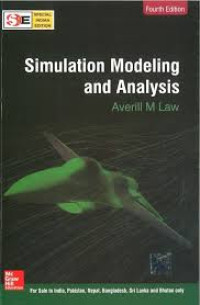
Simulation Modeling & Analysis
"The goal of this fourth edition of Simulation Modeling and Analysis remains the same as that for the first three editions: to give a comprehensive and state-of-the-art treatment of all the important aspects of a simulation study, including modeling. simulation software, model verification and validation, input modeling. random- number generators, generating random variates and processes, statistical design and analysis of simulation experiments, and to highlight major application areas such as manufacturing. The book strives to motivate intuition about simulation and model- ing, as well as to present them in a technically correct yet clear manner. There are many examples and problems throughout, as well as extensive references to the
simulation and related literature for further study. The book can serve as the primary text for a variety of courses, for example
A first course in simulation at the junior, senior, or beginning-graduate-student level in engineering, manufacturing, business, or computer science (Chaps. 1 through 4 and parts of Chaps. 5 through 9). At the end of such a course, the stu- dent will be prepared to carry out complete and effective simulation studies, and to take advanced simulation courses, A second course in simulation for graduate students in any of the above disci-
plines (most of Chaps. 5 through 12). After completing this course, the student
should be familiar with the more advanced methodological issues involved in a simulation study, and should be prepared to understand and conduct simulation research.
An introduction to simulation as part of a general course in operations research or management science (parts of Chaps. 1, 3, 5, 6, and 9).
For instructors who have adopted the book for use in a course, I have made available for download from the website www.mhhe.com/law a variety of teaching support materials. These include a comprehensive set of solutions to the Problems, lecture PowerPoint slides, and all the computer code for the simulation models and random-number generators in Chaps. 1, 2, and 7. Adopting instruc- tors should contact their local McGraw-Hill representative for login identification and a password to gain access to the material on this site; local representatives can be identified by calling 1-800-338-3987 or by using the representative locator at www.mhhe.com."
Ketersediaan
Informasi Detail
- Judul Seri
-
-
- No. Panggil
-
512.1 AVE s
- Penerbit
- Singapore : MCGraw-Hill Book., 2007
- Deskripsi Fisik
-
xix; ilus tidak berwarna; 767 Hlm; 23,5 cm
- Bahasa
-
Indonesia
- ISBN/ISSN
-
978-007-125519-6
- Klasifikasi
-
512.1
- Tipe Isi
-
-
- Tipe Media
-
-
- Tipe Pembawa
-
-
- Edisi
-
-
- Subjek
- Info Detail Spesifik
-
-
- Pernyataan Tanggungjawab
-
-
Versi lain/terkait
Tidak tersedia versi lain
Lampiran Berkas
Komentar
Anda harus masuk sebelum memberikan komentar























 Karya Umum
  Filsafat
  Agama
Agama  Ilmu-ilmu Sosial
  Bahasa
  Ilmu-ilmu Murni
  Ilmu-ilmu Terapan
  Kesenian, Hiburan, dan Olahraga
  Kesusastraan
  Geografi dan Sejarah